
Pumpkin Spice Seasoning is the easiest way to add rich flavors of fall to your favorite recipes and drinks.
This homemade blend of spices uses common spices you probably already have in your pantry, making it simple to whip up whenever the time of year has you craving everything pumpkin spice.
Use it in pumpkin bread, cookies, pies, muffins, coffee, oatmeal, and so much more. Once you make your own pumpkin spice seasoning, you may never want to buy the store-bought version again!
The Story Behind Pumpkin Spice
Pumpkin spice as we know it didn’t start with lattes or candles.
It evolved from traditional pie spice blends used in American baking throughout the 19th and early 20th centuries.
Home bakers mixed cinnamon, ginger, nutmeg, cloves, and allspice to season not just pumpkin pie, but apple desserts, spice cakes, and even savory dishes.
The blend was practical because it combined warm, sweet spices that complemented the earthy flavor of winter squash and other cold-weather ingredients.
Commercial versions appeared in the mid-20th century as companies started pre-mixing spices for convenience.
The modern pumpkin spice craze took off in the early 2000s when a certain coffee chain introduced a seasonal latte that became a cultural phenomenon.
Now we know it’s pumpkin spice season when you see it everywhere.
Making it fresh at home takes you back to the original intent of the blend: real spices, bold flavor, and total control over what goes into your food.
The best part? You get to decide how assertive you want each spice to be.
Why This Blend Works Every Time
This isn’t a random pile of spices from your spice cabinet.
The ratio here is built on balance.
Cinnamon dominates for good reason because it’s the most versatile and recognizable flavor in the mix. It provides warmth without overwhelming sweetness, which is why it makes up roughly half the blend.
Ginger adds a sharp, slightly spicy bite that keeps the mix from feeling one-note or cloying.
Nutmeg brings a nutty, almost creamy depth that rounds out the cinnamon’s brightness.
Cloves contribute intensity and a faint medicinal edge that makes the blend feel complex rather than flat.
Allspice ties everything together with a flavor that’s simultaneously peppery, sweet, and woody, almost like a spice blend within a spice blend.
If you’ve ever made pumpkin pie spice mix and ended up with something that tasted like potpourri, it’s because the cloves or nutmeg were too heavy handed.
Those two spices are powerful, and they can hijack the whole mix if you’re not careful. This recipe keeps them in check while still letting them do their job.
The other reason this works is freshness.
Ground spices lose their potency fast, which is why store bought jars taste like dust.
When you grind or mix fresh spices at home, you’re working with volatile oils that haven’t had time to degrade.
That means more aroma, more flavor, and more satisfaction when you stir a spoonful into your morning oatmeal.
You’re also skipping the anti-caking agents, preservatives, and mystery fillers that show up in commercial blends. It’s just pumpkin spice powder, nothing else, which is exactly how it should be.
What You’ll Need to Make This Pumpkin Pie Spice
- Measuring spoons: You need accuracy here because cloves and nutmeg can overpower the mix if you eyeball it wrong. A proper tablespoon and teaspoon set is all you need.
- Small bowl: A cereal bowl works fine. You’re just mixing, not cooking, so nothing fancy required.
- Whisk or fork: Something to blend the spices evenly. A fork works if you don’t have a whisk.
- Airtight jar or container: Glass is best because it doesn’t absorb odors and keeps the spices fresh longer. A small mason jar or a cleaned-out spice jar works perfectly.
If you want to take your spice mixture up a level, use whole spices and grind them yourself in a spice grinder or mortar and pestle. Whole cinnamon sticks, whole cloves, whole allspice berries, and whole nutmeg will give you an even more potent blend, but it’s not required. Pre-ground spices work great as long as they’re fresh.
If your ground cinnamon smells faint or tastes dull, replace it before you make this. Same goes for the ginger and nutmeg. Old spices make a mediocre blend, no matter how good the recipe is.
Pro Moves That Make the Difference
Real chefs and bakers use a few tricks to get more out of their pumpkin spice blends.
- Buy whole spices and grind them yourself. Whole spices last longer and taste stronger. A cheap spice grinder or a mortar and pestle will change your cooking. The difference in aroma between freshly ground cinnamon and pre-ground cinnamon is night and day.
- Toast your spices before grinding. A quick toast in a dry pan wakes up the oils and deepens the flavor. Don’t walk away from the pan because spices burn fast. Two minutes is all you need.
- Double or triple the batch. This recipe makes about a quarter cup, which is plenty for casual use, but if you bake a lot or drink spiced lattes daily, make a bigger batch. The blend stays fresh for three to four months if stored properly.
- Label everything. Write the date and the ratio on the jar so you remember what you made and when. If you tweak the recipe, note that too. You’ll thank yourself later when you’re trying to recreate the perfect batch.
- Store it in a cool, dark place. Heat and light degrade spices fast. Keep your jar in a cupboard, not on the counter next to the stove.
These small moves separate decent spice blends from exceptional ones.
How to Serve Pumpkin Spice Mix
Pumpkin spice isn’t just for your favorite pumpkin recipes, but for all the other things you’ve got to try it on. Try it different ways and let the richness of the season whisk you away.
- Stir a teaspoon into your morning coffee or add it to the coffee grounds before brewing for a spiced brew that doesn’t need syrup.
- Mix it into pancake or waffle batter for a fall breakfast upgrade.
- Sprinkle it over roasted sweet potatoes, carrots, or butternut squash before they go in the oven.
- Add a pinch to oatmeal, yogurt, or smoothie bowls. Use it in quick breads, muffins, cookies, and cakes wherever a recipe calls for cinnamon. You can even add a small amount to savory dishes like chili or roasted chicken for a subtle warmth that surprises in the best way.
- When you’re serving something with pumpkin spice in it, a light dusting on top as a garnish reinforces the aroma and signals the flavor before the first bite. It’s a simple plating trick that makes everything look more intentional.
- And of course, the old favorite pumpkin spice latte has to make the list!
What is Pumpkin Spice Made Of
Here’s what you’re mixing and why each ingredient matters when creating the perfect balance.
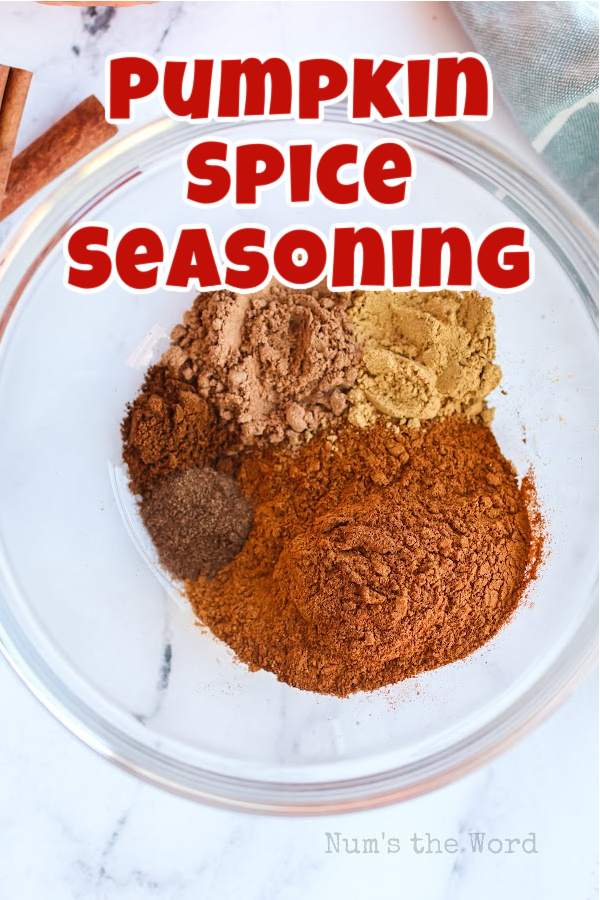
- Cinnamon (3 tablespoons): This is your base. It provides the warm, sweet backbone that defines the blend. Use Ceylon cinnamon if you can find it because it’s sweeter and more delicate than the more common Cassia cinnamon, but either works. If your cinnamon tastes bitter or flat, it’s too old. Replace it.
- Ginger (1 1/2 teaspoons): Ground ginger adds a sharp, peppery kick that balances the sweetness of the cinnamon. It’s what keeps the blend from tasting like a dessert candle. If you skip it, the mix feels heavy and one dimensional.
- Nutmeg (1 teaspoon): Nutmeg is nutty, warm, and slightly sweet. It’s also potent, so don’t go heavy. Too much nutmeg makes the blend taste medicinal. Freshly grated nutmeg is ideal, but pre-ground works if it’s recently opened.
- Cloves (1/2 teaspoon): Cloves are intense. They’re sharp, almost numbing, and they have a strong eucalyptus-like edge. A little goes a long way. Too much clove and your pumpkin spice will taste like a dentist’s office. This is the spice you measure carefully.
- Allspice (1/4 teaspoon): Allspice is named for its flavor, which resembles a combination of cinnamon, nutmeg, and cloves. It adds depth and complexity without drawing attention to itself. If you don’t have allspice, you can skip it, but the blend won’t be as layered.
You can adjust these ratios based on your taste to create your own blend. If you love ginger, bump it to 2 teaspoons. If you hate cloves, cut it to 1/4 teaspoon. The blend is flexible, but start with the base recipe first so you know what you’re working with.
Store-bought pumpkin spice often includes cardamom or mace, but those aren’t traditional and they can make the flavor profile feel muddled. Stick with the classic five and you’ll get a cleaner, more focused blend.
How to Make Pumpkin Pie Spice
This is the easiest part when it comes to fall baking! .
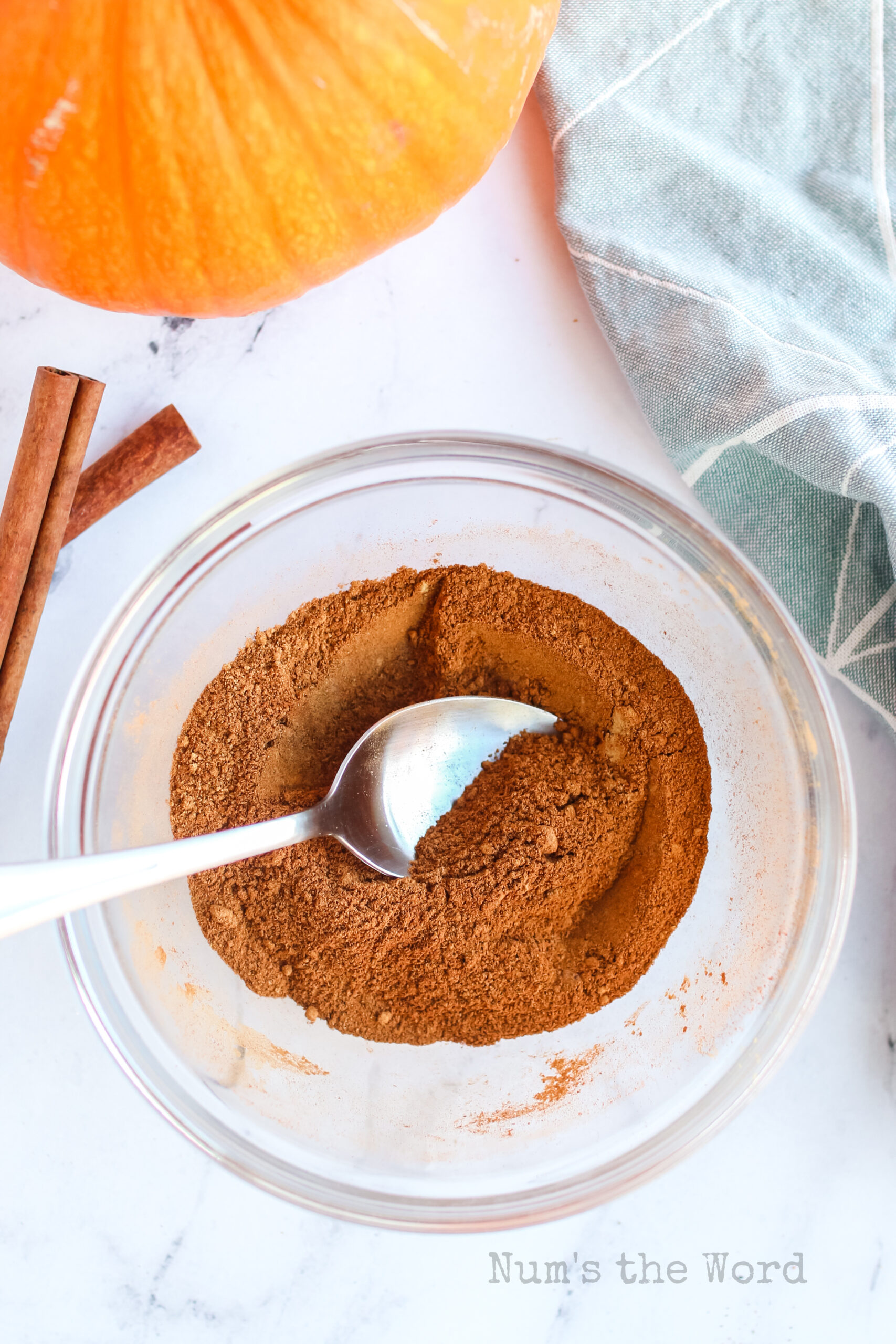
- Measure out all your spices directly into a small bowl. Don’t skip this step and try to mix them in the jar because you won’t get an even distribution.
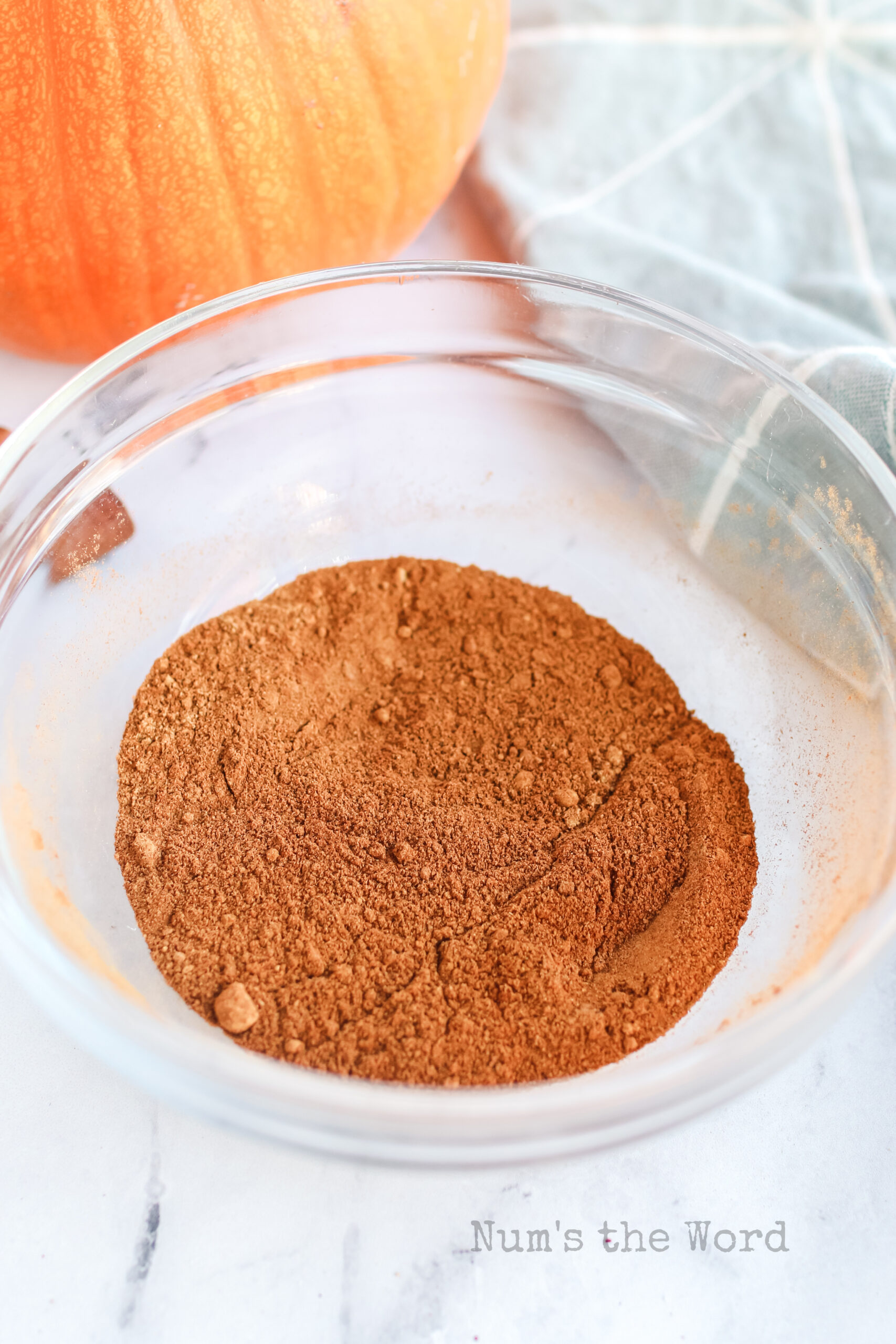
- Use a whisk or fork to blend everything together thoroughly. Spend at least 30 seconds on this to achieve a symphony of flavors in your bowl! You want the spices fully integrated so every spoonful has the same flavor profile.
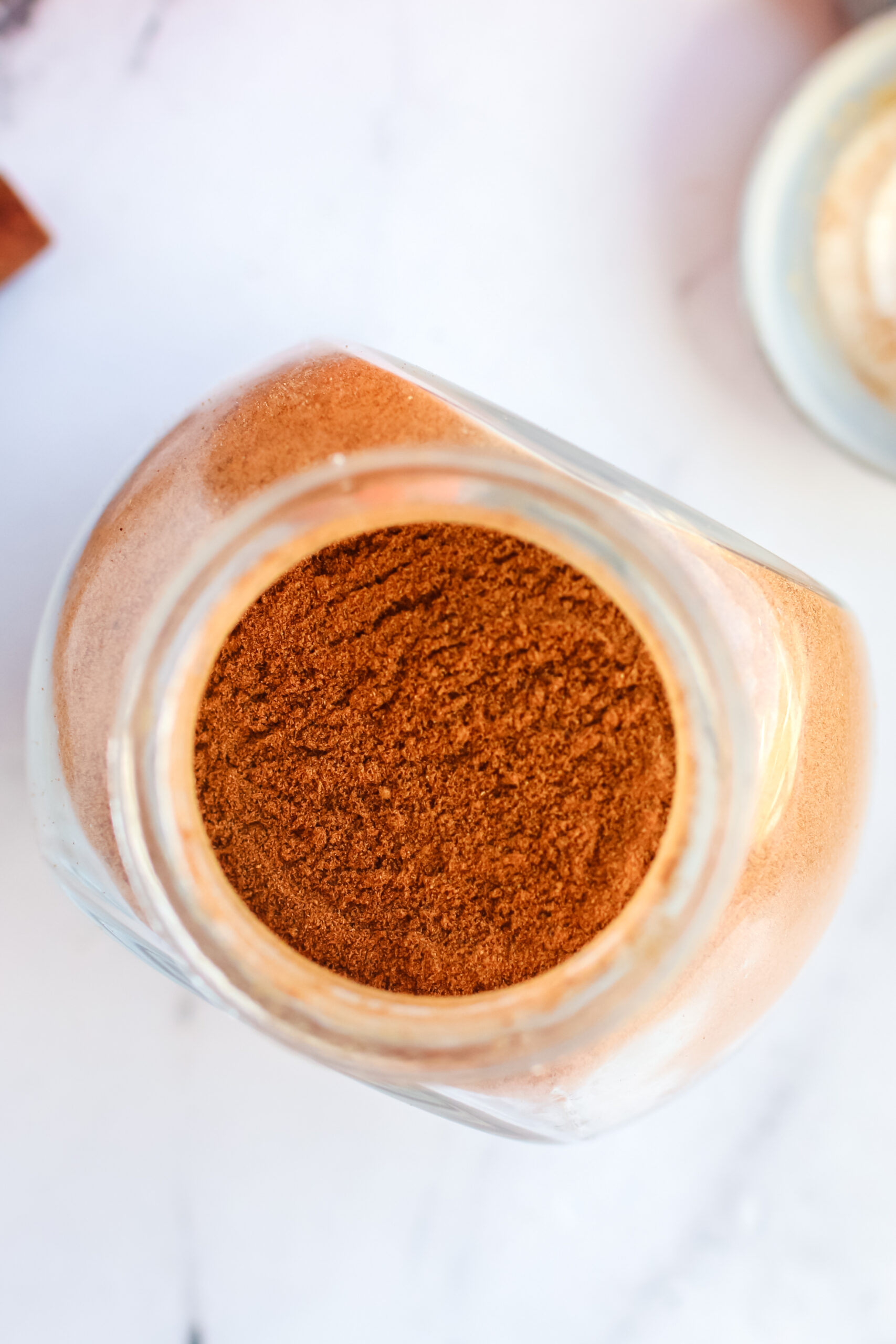
- Transfer the blend to an airtight jar. A funnel helps if you have one, but you can also fold a piece of paper into a makeshift funnel.
- Label the jar with the date. Ground spices lose potency over time, and you’ll want to know when you made this so you can gauge freshness.
If you’re using whole spices, toast them lightly in a dry skillet over medium heat for about two minutes until they smell fragrant, then let them cool before grinding. Toasting amplifies the oils and deepens the flavor. Grind them in batches if your spice grinder is small, and make sure everything is uniformly fine so you don’t end up with chunks of clove.
Once the spices are mixed, shake the jar every few days for the first week to keep everything evenly distributed. Spices can settle, especially if the grind size varies.
That’s it. You just made pumpkin spice seasoning from scratch, and it’s already better than anything you’ll find on a grocery shelf.
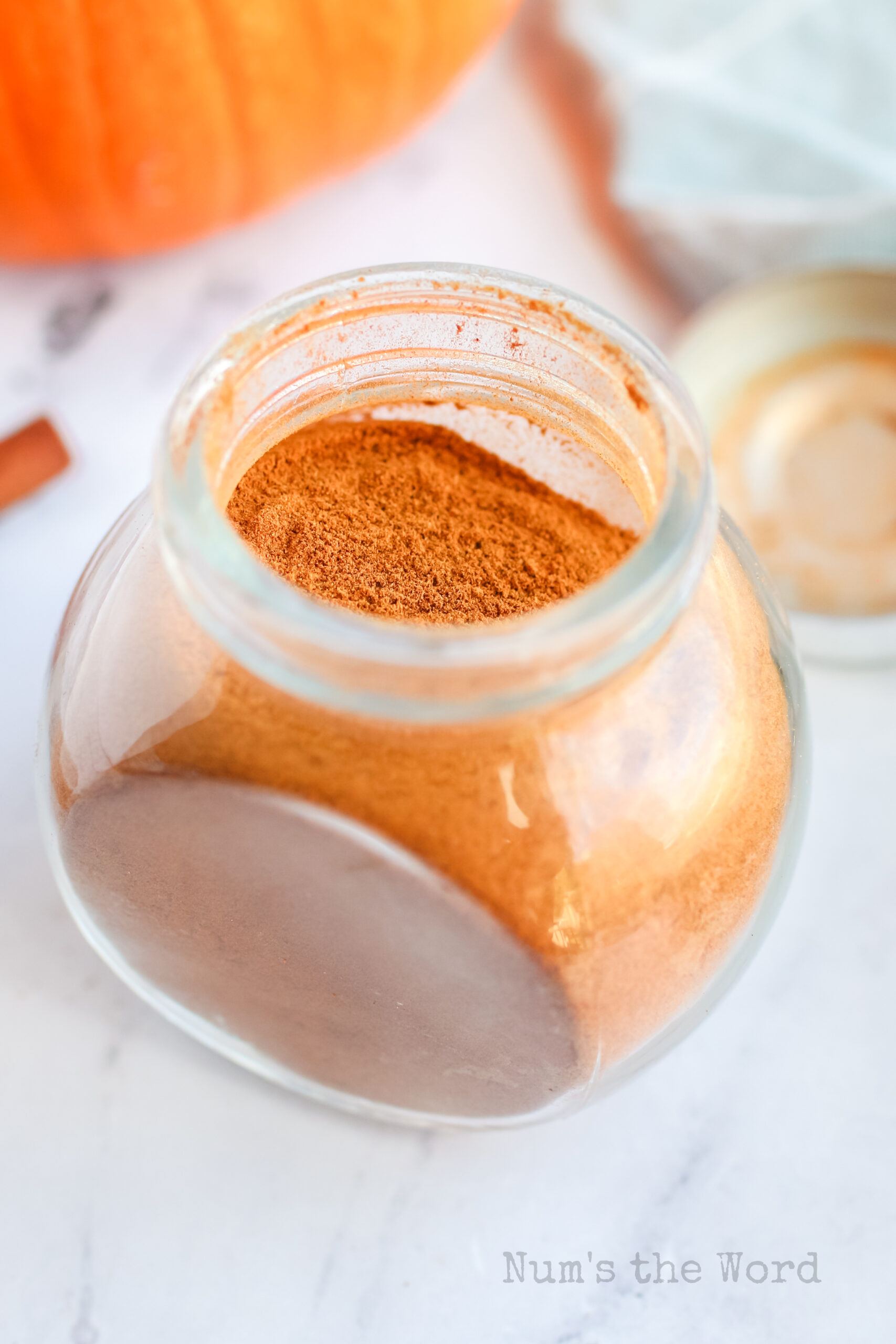
Keeping DIY Pumpkin Pie Spice Fresh
Pumpkin seasoning stays fresh for three to four months if stored correctly.
Keep it in an airtight container in a cool, dark cupboard, away from heat and moisture. Don’t store it above the stove or near the dishwasher, both of which introduce heat and steam that degrade the spices. Glass jars with tight-fitting lids are ideal because they don’t absorb odors and they seal well. Plastic containers can work, but they’re more porous and may allow air in over time.
If you notice the aroma fading or the color dulling, it’s time to make a new batch. Spices don’t go bad in the traditional sense, but they lose potency, and weak spices make weak food.
Label your jar with the date so you know when you made it. After four months, the blend is still safe to use, but the flavor won’t be as vibrant. At that point, you’re better off making a fresh batch.
Don’t refrigerate or freeze your spice blend. The moisture from condensation when you take it in and out of the fridge will cause clumping and speed up flavor loss.
Giving Leftovers New Life
If you make a big batch and find yourself with extra, there are plenty of ways to use it up beyond the obvious.
- Mix it into softened butter with a little honey or maple syrup to make a compound butter for toast, pancakes, or roasted vegetables.
- Stir it into cream cheese for a quick flavored spread that’s perfect on bagels or as a dip for apple slices.
- Add it to homemade granola or trail mix for a seasonal twist.
- Use it to flavor whipped cream by adding a teaspoon to heavy cream before whipping.
- Make spiced simple syrup by simmering equal parts sugar and water with a tablespoon of pumpkin spice, then strain and use it in cocktails or to sweeten iced coffee.
- You can even add it to DIY beauty products like sugar scrubs or lip balms for a warm, spicy scent.
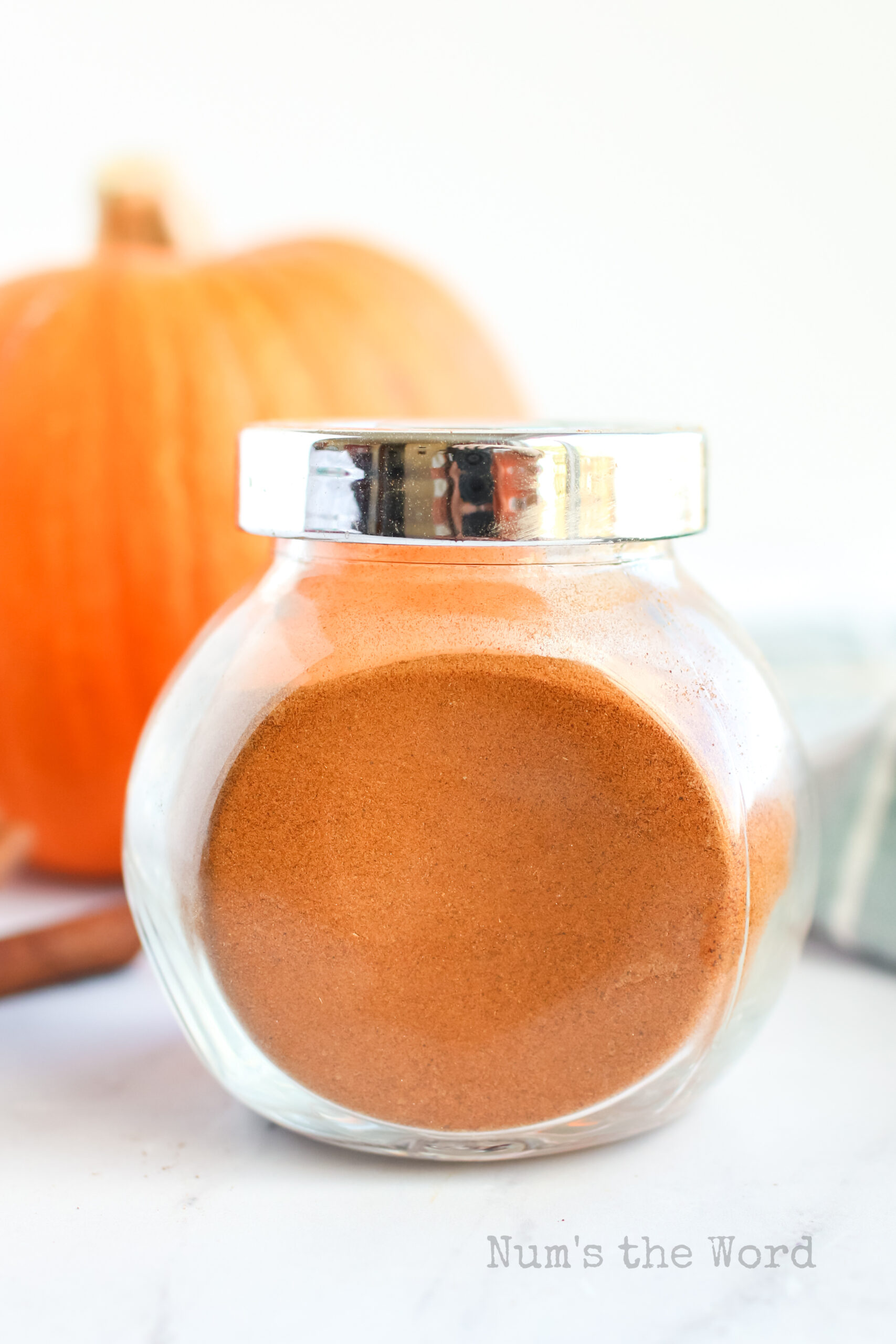
Additional Fall Recipes You can Use your Homemade Pumpkin Spice Blend
- Pumpkin Spice Rice Krispie Treats
- Pumpkin Spice No Bake Cookies
- Pumpkin Pie Recipe with Molasses
- Pumpkin Cinnamon Roll Casserole
- Pumpkin French Toast
- Pumpkin Cupcakes with Buttercream Frosting
Additional Fall Recipes You’ll Love
- Trail Mix with Pumpkin Seeds
- Snicker Apple Salad
- Apple Pie Cinnamon Roll Casserole
- Apple Butter Recipe
- Creamy Pumpkin Soup Recipe
- Crock Pot Applesauce
- Cranberry Apple Cider
- Halloween Candy Ideas
- Oreo Turkeys with Candy Corn
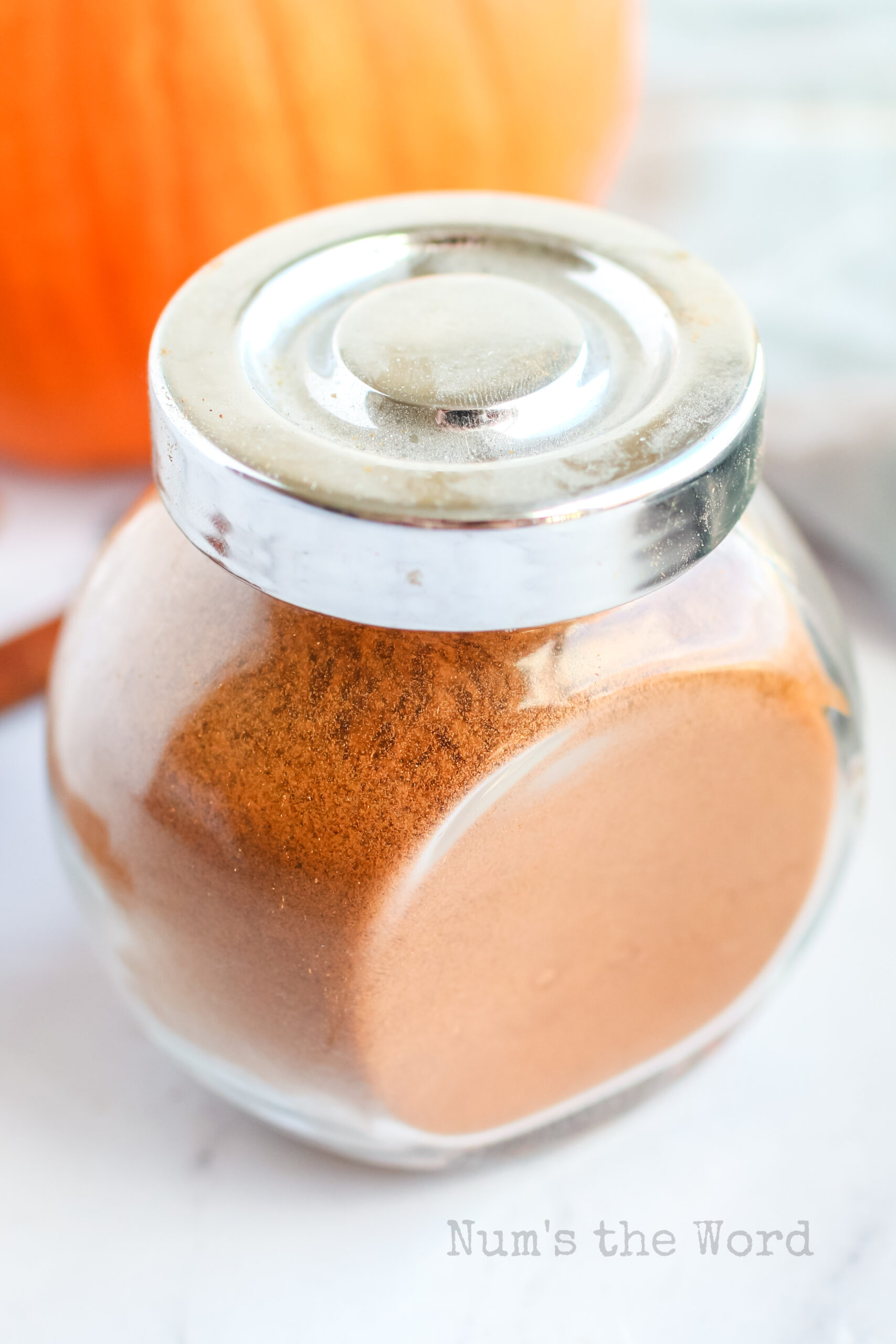
This Pumpkin Pie Spice Recipe is versatile enough that once you have it on hand, you’ll start finding reasons to use it in places you never considered before.
Keep your Pumpkin Spice Seasoning in a small jar in a cool, dry place, and you’ll have it ready whenever you need that aromatic flavor.
Making it in small batches means you can enjoy fresh, fragrant spices without letting a big container sit in the pantry forever.
It’s such an easy way to add the cozy flavors of fall to everything from baked goods and coffee to oatmeal and desserts!
Pumpkin Spice
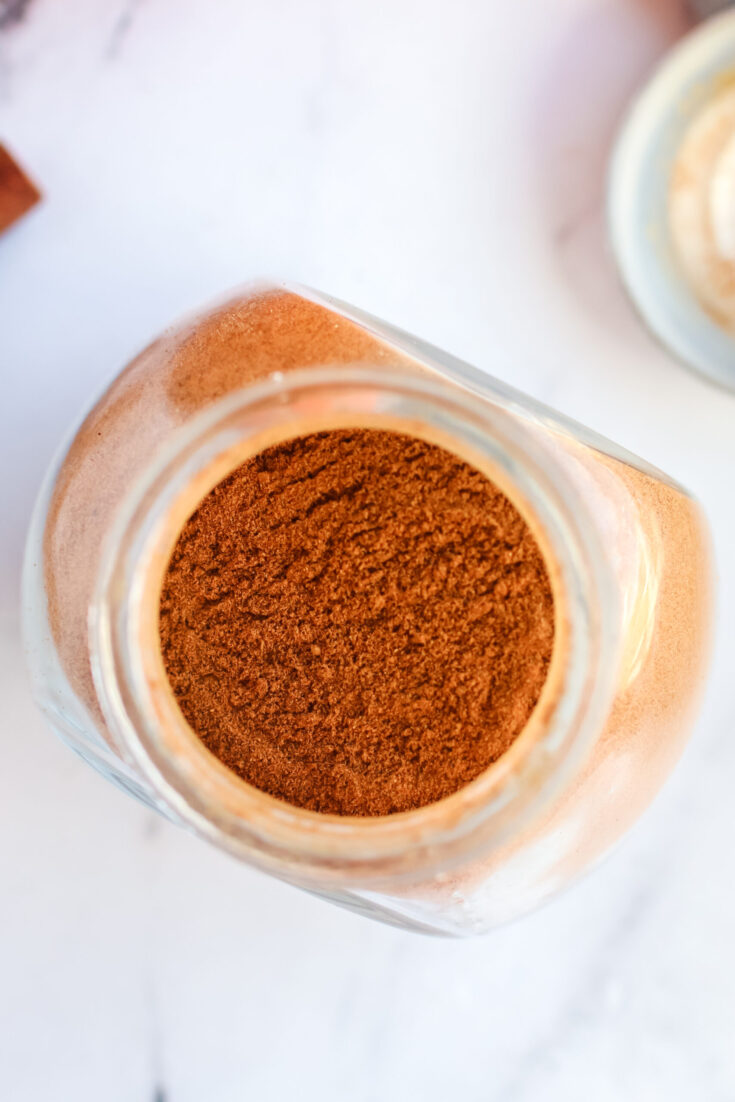
Pumpkin Spice Seasoning is a warm blend of spices with rich flavors perfect for fall baking, coffee, oatmeal, desserts, and more!
Ingredients
Instructions
- Whisk all ingredients together in a bowl.
- Transfer mixture to an airtight container.
- Store container in cool, dry place (with your other spices).
Nutrition Information:
Yield:
4Serving Size:
1Amount Per Serving: Calories: 44Total Fat: 1gSaturated Fat: 1gUnsaturated Fat: 0gSodium: 4mgCarbohydrates: 11gFiber: 7gSugar: 0gProtein: 1g
Photos & Text Updated: August 24, 2021
Text Updated: September 11, 2026
Nicole
Saturday 4th of October 2014
I've always just tried to eyeball it when I'm out of pumpkin spice and make do with the separate ingredients. Thanks for doing the measuring for me! :)
Margaret
Friday 3rd of October 2014
I love to have spice recipes. It is so helpful when I run out of something, because I usually have all the spices I just need proportions. Thanks, pinning.